


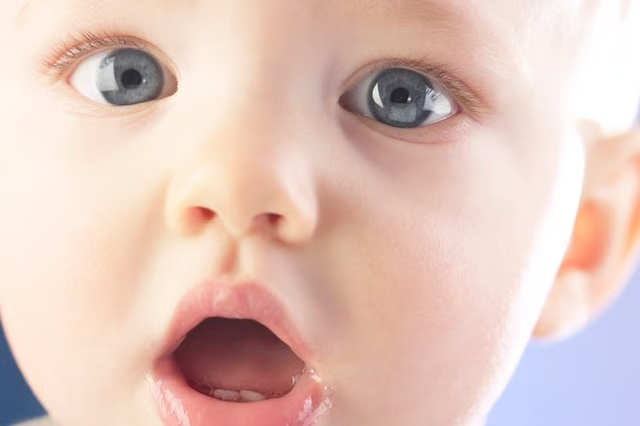
Teething causes a wide variety of symptoms, ranging from mouth and gum discomfort to irritating rashes and loose stools. While teething should not give your baby diarrhea, it may cause light-colored, loose stools. Understanding the teething process and the symptoms associated with teething can help you care for your baby without worry. If you are concerned about light-colored stools or feel that something is abnormal, call your pediatrician.
Excessive Drool
Cutting teeth often comes with excessive saliva, sometimes for weeks or months on end. An excess of saliva results in drool on the outside, as well as irritation on the inside. Teething babies swallow a significant amount of drool throughout the day, creating more acidic stools. Lanolin cream can reduce rashes caused by drool, but there are no treatments for loose stools from teething.
Stools
While teething should not produce diarrhea or intestinal discomfort, it can result in loose or off-colored stools. Breastfed babies typically have light yellow to green stools, while the stools of formula-fed babies or those eating solids may be more varied. Loose stools are easily recognized in formula-fed babies or older toddlers, but loose stools are normal for breastfed babies.
Rashes
Acidic stools may produce diaper rashes. Change the baby frequently to reduce potential discomfort and use a diaper rash cream generously after each diaper change to protect his skin. You may want to use a soft cloth with water rather than commercial baby wipes to avoid additional irritation. Allow your baby some time without a diaper on a protected surface to help the skin air out and recover.
Concerns
Loose stools may accompany teething, but more substantial changes in your baby's stooling habits require a call to the doctor. Watery stools or stools mixed with mucus can be a sign of a bacterial or viral infection. Bloody, red-streaked stools are typically the result of anal fissures, but may also be a sign of bleeding in the lower intestine. Notify your baby's doctor immediately if you notice bloody stools. Blood, mucus and diarrhea in a baby or toddler are not symptoms associated with teething.