


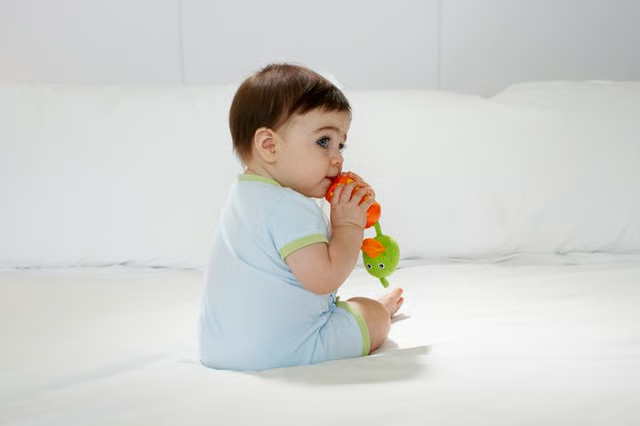
Most babies begin to teethe when they are between 6 and 8 months old, but the process can begin as early as 3 months, according to the National Institutes of Health's website, MedlinePlus. Teething can be an uncomfortable time for your baby and result in mild to moderate irritability and screaming. You can take steps to ease your baby's pain and make the process a bit more tolerable and less bothersome for your little one.
Signs of Teething
Some of the signs and symptoms of teething in your baby can include irritability, crying, screaming, biting objects, excessive drooling, swelling and tenderness in the gums, decreased appetite and sleeping problems. Dr. Michael Hanna, a spokesman for the American Academy of Pediatric Dentistry, explains that increased movement in the mouth is similar to chewing and stimulates the salivary glands, which causes drooling. Your baby might experience only a few of these symptoms or possibly all of them. All babies are different in terms of how much they appear to be suffering.
Myths About Teething
There are some old wives' tales still floating around about teething causing a fever or diarrhea. Teething does not cause fever or diarrhea, and MedlinePlus recommends that you consult your pediatrician if your child has either of these symptoms, especially if they persist for more than two or three days.
Easing the Pain
There are a number of different things you can do to ease your child's pain. Give your little one something cool and safe to chew on, such as a teething ring or washcloth that was in the freezer. Try feeding him soft and cold foods, if he's started eating solids such as applesauce. Don't be afraid to use over-the-counter pain relievers -- in doses that are appropriate for your child's age and weight -- to ease the pain through the night. Topical options, such as Orajel, can be applied directly on the gums, but care should be taken to use only a dab on the painful area to avoid numbing your child's throat, suggests Dr. Hanna.
Safety Precautions
Above all, remember to be safe when dealing with teething. Never tie a teething ring or anything else around your child's neck, since it poses a strangulation hazard. Don't rub whiskey or any other alcohol on the gums. Don't cut the gum with a sharp object to allow the tooth to come in easier. This creates unnecessary pain and can lead to an infection in your baby's already tender mouth.