
In the 1980s, previously little-known bacteria such as salmonella suddenly gained prominence, thanks to numerous outbreaks of food poisoning. In the case of salmonella, authorities quickly traced the source of the infection to eggs. Since that time new food safety guidelines have been formulated to minimize risk to consumers. This is especially important for children, seniors and pregnant women.
Eggs, Nutrition and Pregnancy
Eggs are a concentrated source of high-quality nutrition, which makes them valuable to those who have elevated dietary needs, such as athletes, pregnant women and nursing mothers. Eggs are especially important for pregnant women due to their high levels of choline, a little-known nutrient that's crucial to fetal development. Two eggs provide more than half of the recommended daily intake for a pregnant woman. Eggs are also a useful source of vitamin D and other nutrients.
Eggs and Food Safety
Eggs are prone to spoilage precisely because they are so nutritious. Once infected with bacteria, they provide a near-ideal environment for microbial growth. The USDA recommends cooking all unpasteurized eggs until firm throughout, while egg mixtures such as custards have to reach an internal temperature of 160 degrees Fahrenheit to be considered safe. Any leftover dish containing eggs must be reheated to 165 F before serving.
Poached Eggs
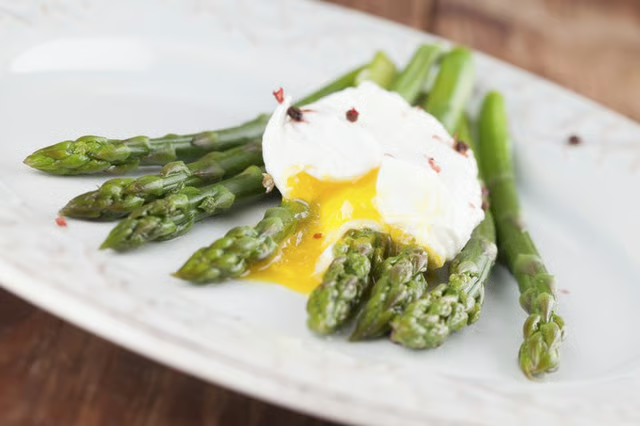
Poaching is a healthy method of preparing eggs, adding no extra fat, and it's often quicker and more convenient than boiling eggs in the shell. Poached eggs also have a softer, more agreeable texture than boiled. There is no reason not to enjoy poached eggs during pregnancy, as long as you follow USDA guidelines by cooking the eggs until they are firm throughout.
Soft Yolks
Unfortunately, for many diners, the whole point of a poached egg is a delicately soft, runny yolk. There are two ways to continue enjoying this simple pleasure during pregnancy. The first is to purchase eggs that have been pasteurized in the shell. An alternative method, described by food science writer Harold S. McGee, is to use regular eggs, but have a second pan of water waiting nearby at 150 degrees F. Once your egg is poached, transfer it to the second pan and wait for 15 minutes. Your egg will be food safe, but the yolk will remain soft.